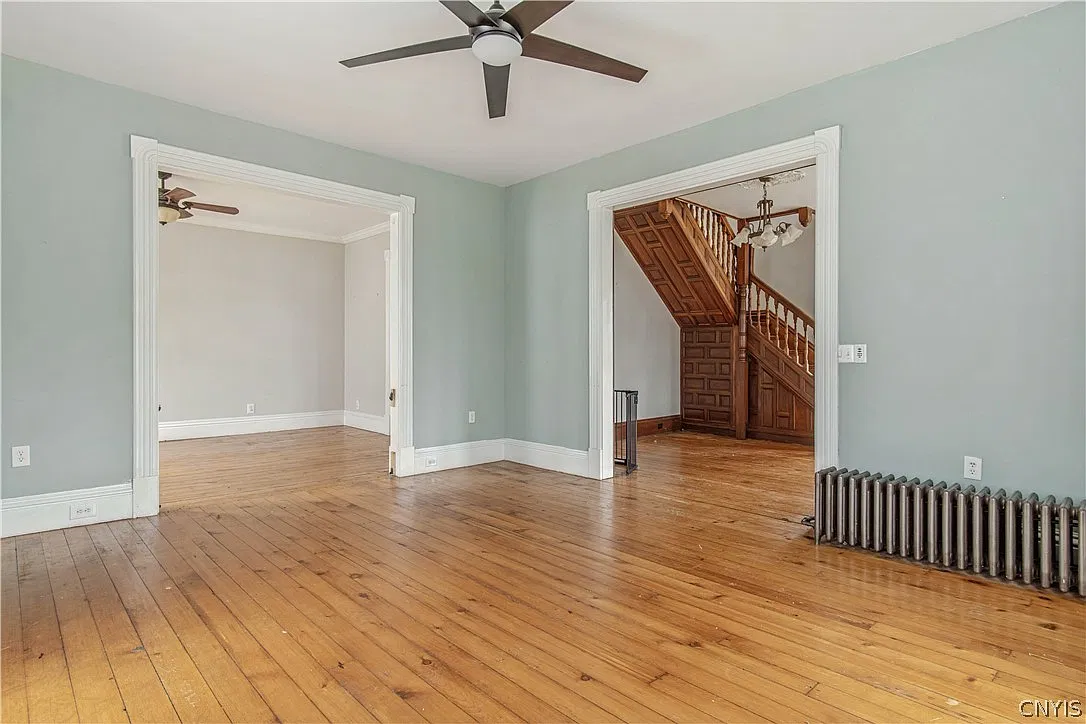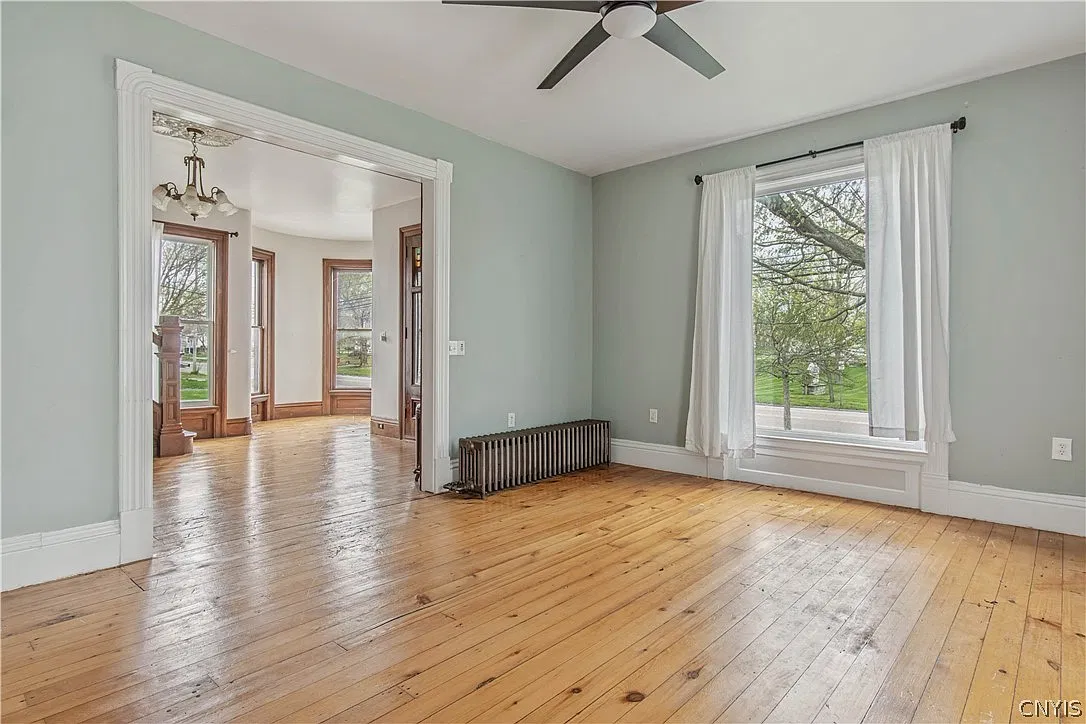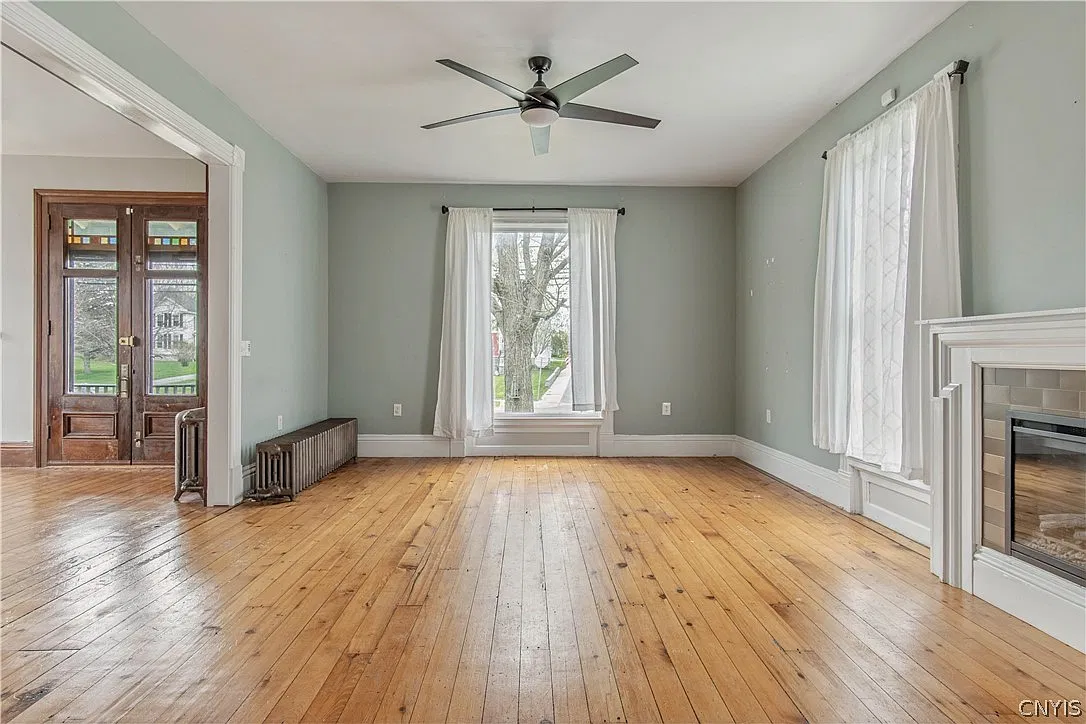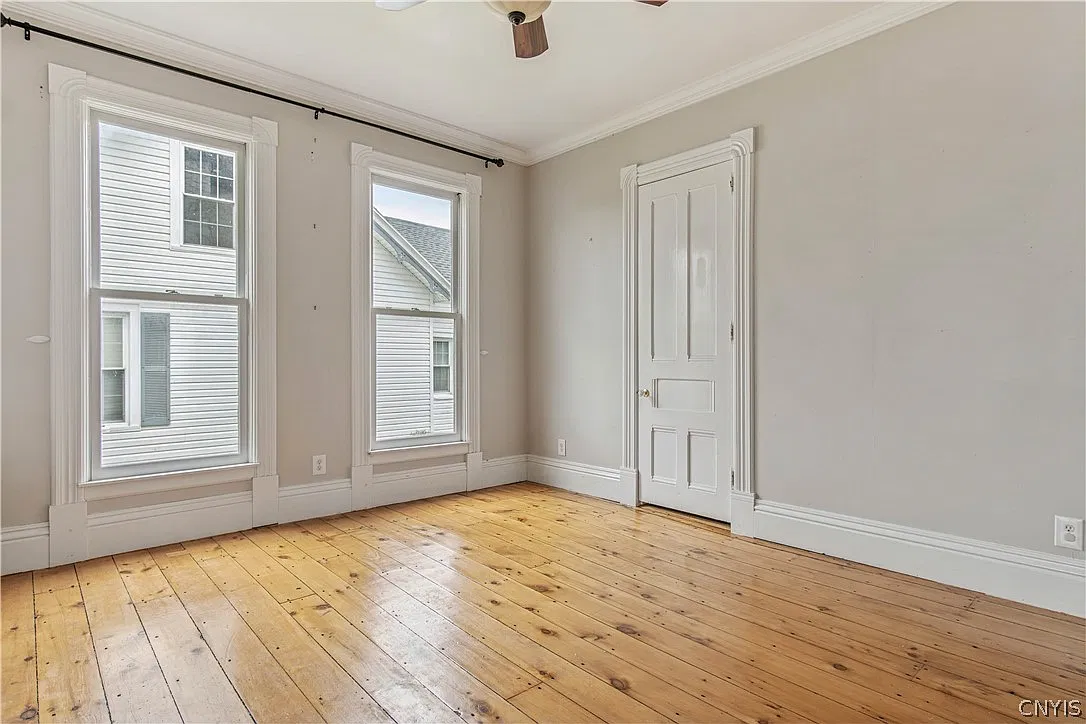
Some houses catch your attention because they offer something enormous: a sweeping estate, a dramatic view, or a room that seems designed for a movie. Others make you pause because you can imagine an ordinary Tuesday inside them.
A book left open beside your favorite chair. Friends lingering after dinner. A kitchen that becomes the natural gathering place, even when everyone insists they will stay out of the cook’s way.
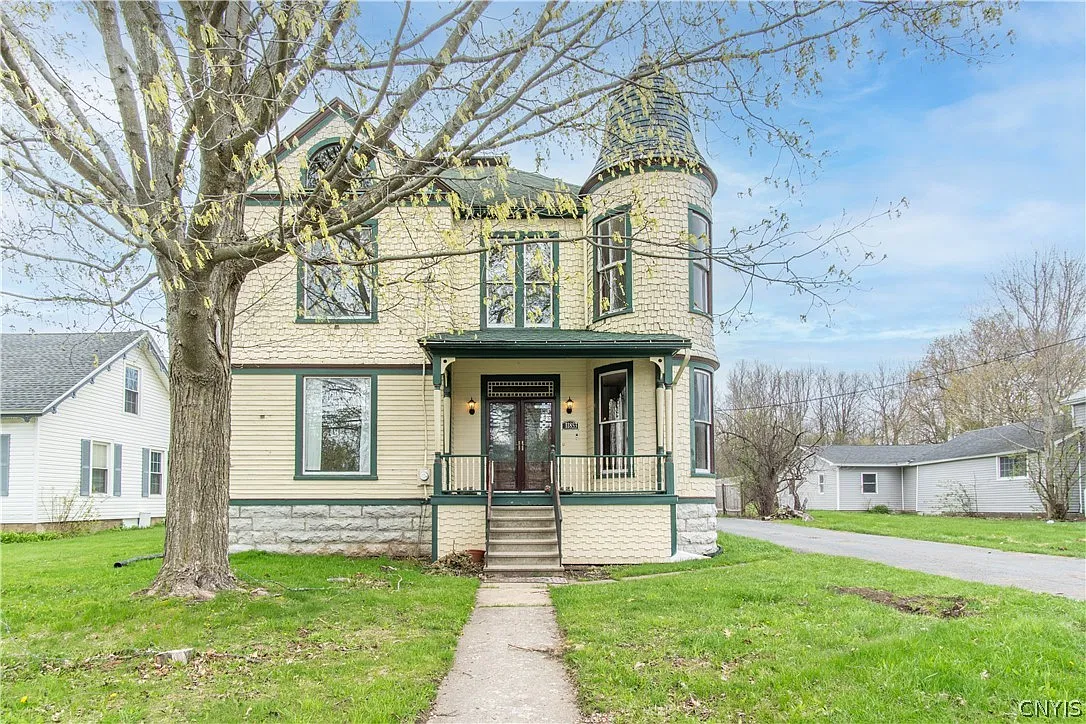
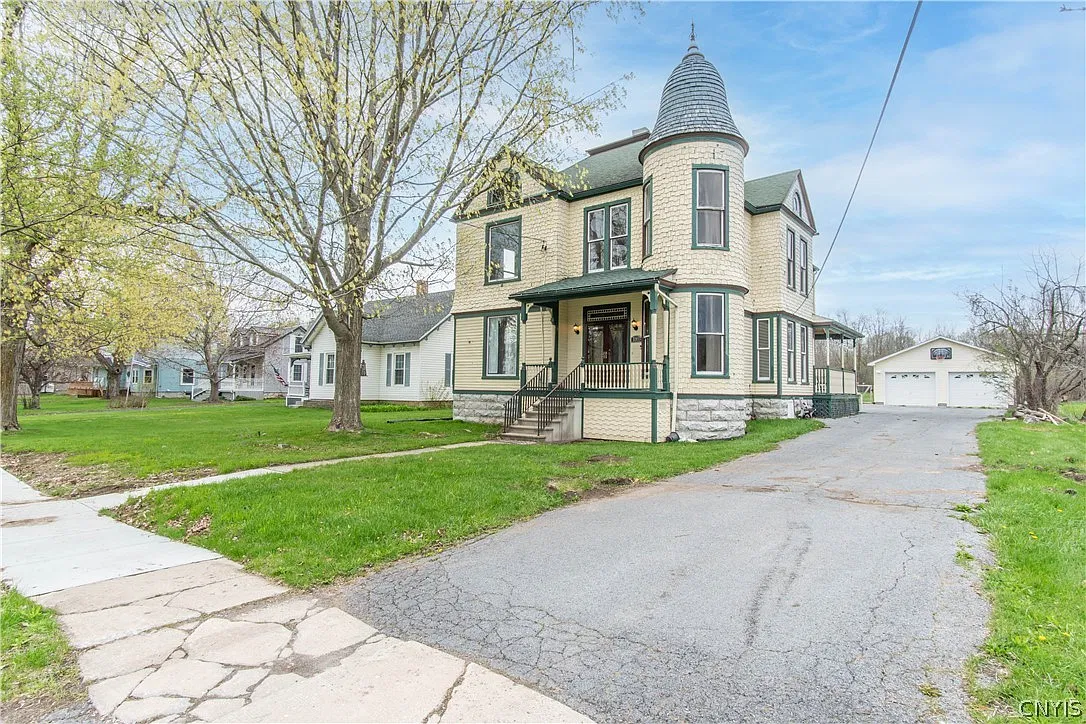
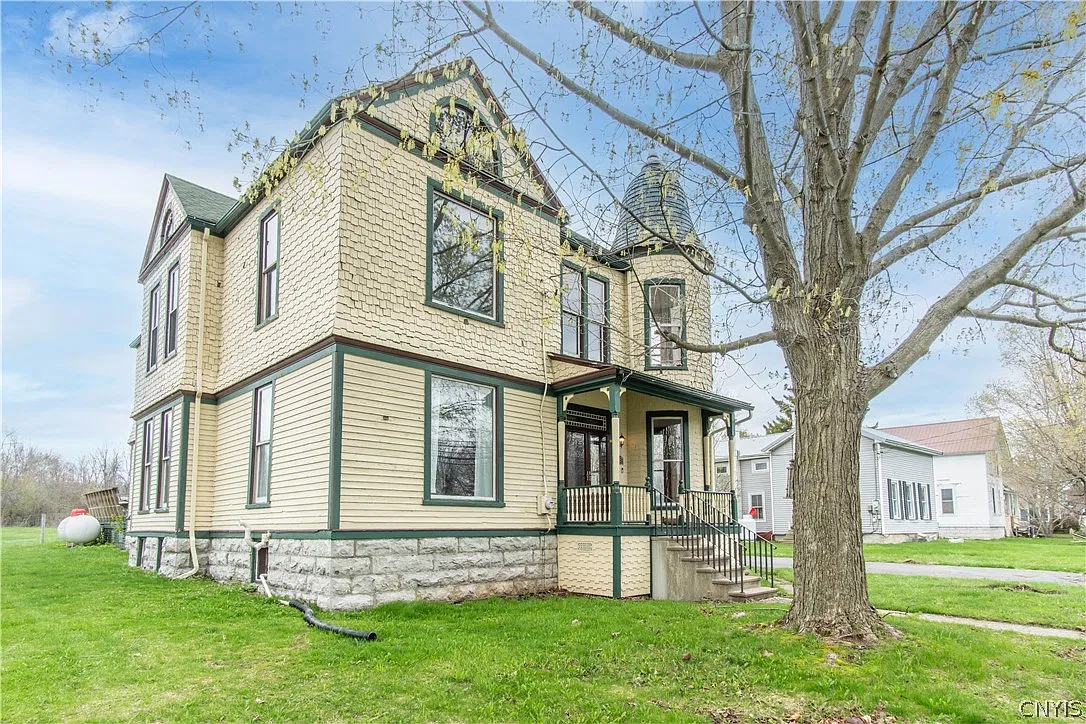
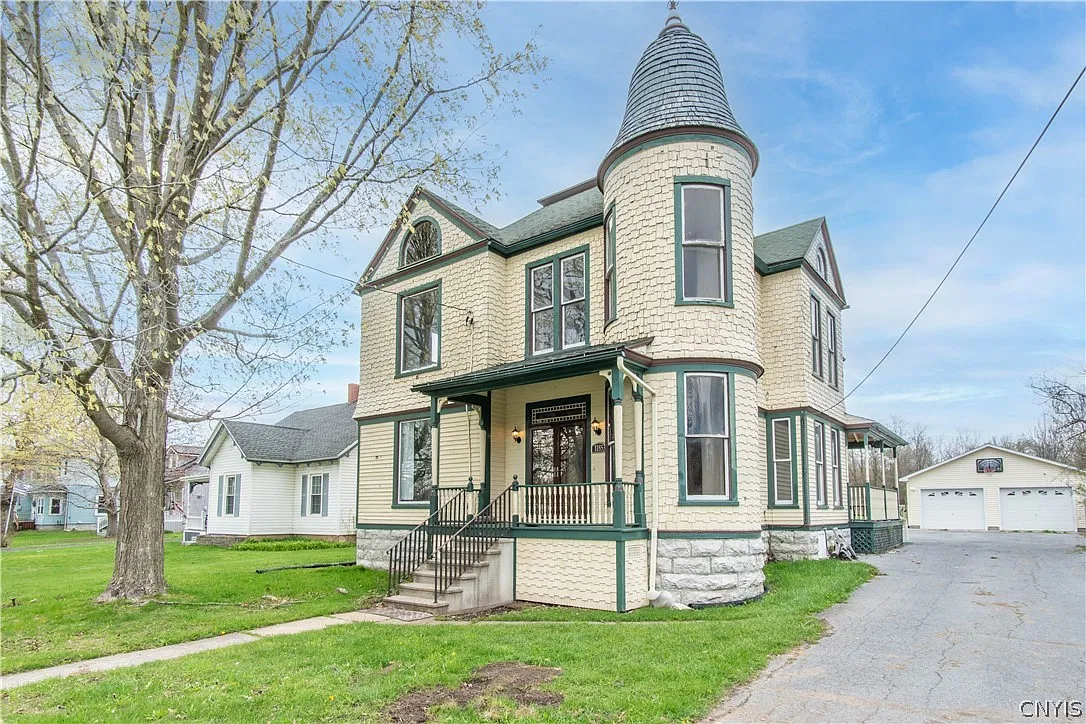
11853 State Route 12E in Chaumont, New York, belongs in that second conversation: an old house whose appeal invites you to think about living, rather than simply looking. As checked on October 6, 2026, Zillow displays this 1870 Victorian for sale at $299,900, with an active listing status.
A House With Time on Its Side
An old house asks you to slow down a little. Instead of judging every room by the newest decorating trend, you begin wondering how the spaces relate to one another, where you would spend your mornings, and which details deserve closer attention. That is part of the pleasure of exploring a Victorian home in Chaumont: the possibility of finding a place with enough personality to shape how you live in it.
You might favor comfortable furniture over matching furniture, choose lamps that create pools of light, or let a room develop gradually instead of finishing it in a single shopping trip. These are decorating possibilities, not claims about what currently stands inside this property. Still, they help explain why older homes hold such a strong place in people’s imaginations. We want rooms that feel collected, useful, and welcoming, with space for the things we actually care about.
A house becomes memorable when it offers a setting for those things rather than demanding that everything fit a showroom formula. For this property, the most rewarding approach is to look at the documented features, consider how they might support everyday life, and leave room for questions. The attraction can be immediate; understanding should take longer. That slower process is often where appreciation becomes something more lasting.
What the 1870 Date Tells Us
The listing’s construction date gives us a starting point, not a complete biography. A house identified as dating to 1870 has a long timeline behind it, but the year alone cannot reveal who designed it, who first lived there, or which finishes remain from its earliest years. Likewise, a Victorian designation does not automatically establish a specific architectural subtype or confirm formal historic recognition.
For an old-house enthusiast, that uncertainty can become an invitation to look more carefully. If you eventually visit, you might notice differences between rooms, ask about alterations, or seek records that explain how the building developed. Those discoveries would provide a stronger story than a romantic guess about former residents. There is something satisfying about allowing a house to reveal itself through evidence. A construction date can be the first thread, but you still need the rest of the fabric.
Even the phrase “original detail” deserves care: something may look old, suit the house beautifully, and still come from a later chapter. Appreciating that distinction does not diminish a home’s appeal. It makes the appreciation more honest. This property can be enjoyed as an older Victorian residence while its deeper architectural and ownership history remains an open subject, ready for research rather than embellished storytelling.
The Property at a Glance
Before getting carried away with decorating ideas, it helps to put the property’s basic information in one place. The table below summarizes the current listing rather than presenting a promise about future availability or a substitute for a walkthrough. These numbers are useful because they establish the scale of the conversation: how much interior space is advertised, how much land accompanies it, and what the asking price is at the time of writing.
They do not tell you whether a room fits your favorite table, whether the stairs suit your household, or how the house feels when you stand inside it. A floor plan, measurements, and a visit would answer those more personal questions. Likewise, a listed acreage figure does not describe the usable shape of every outdoor area, and an advertised bedroom count should be read alongside the description rather than in isolation.
Think of this overview as the label on a book’s spine. It tells you enough to decide whether to open the book, but it cannot replace the chapters inside. For readers browsing old houses for sale in New York, having the facts collected here also makes it easier to separate the property itself from the atmosphere surrounding it. That distinction lets you enjoy the story while keeping the essentials clear.
Living Spaces That Invite You to Settle In
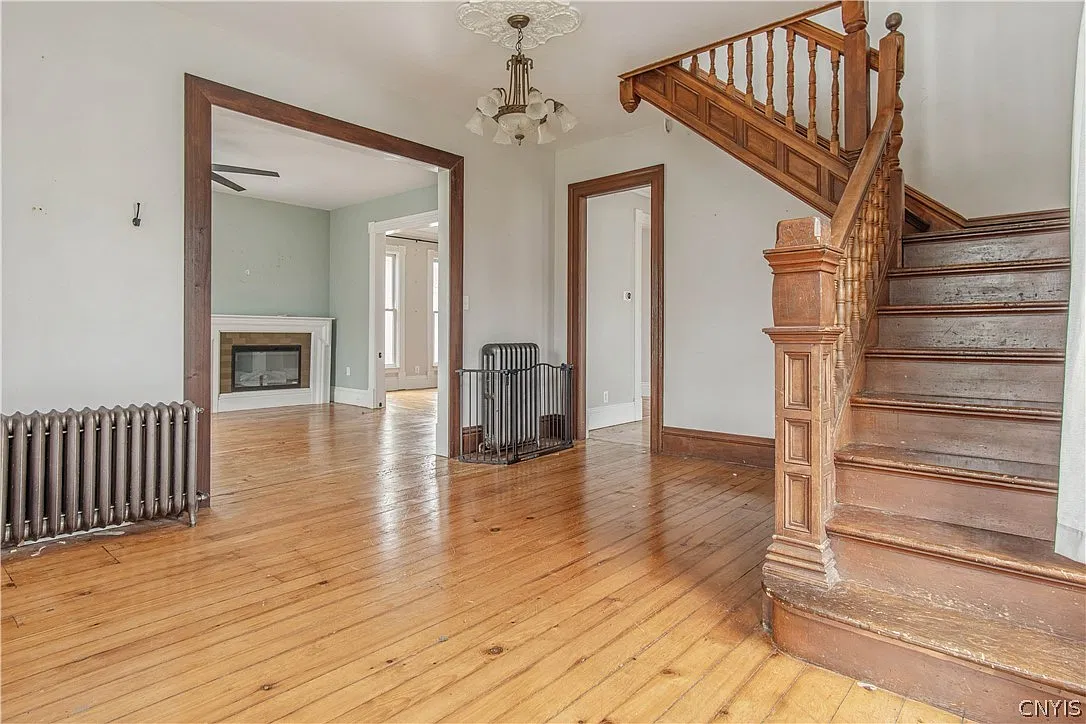
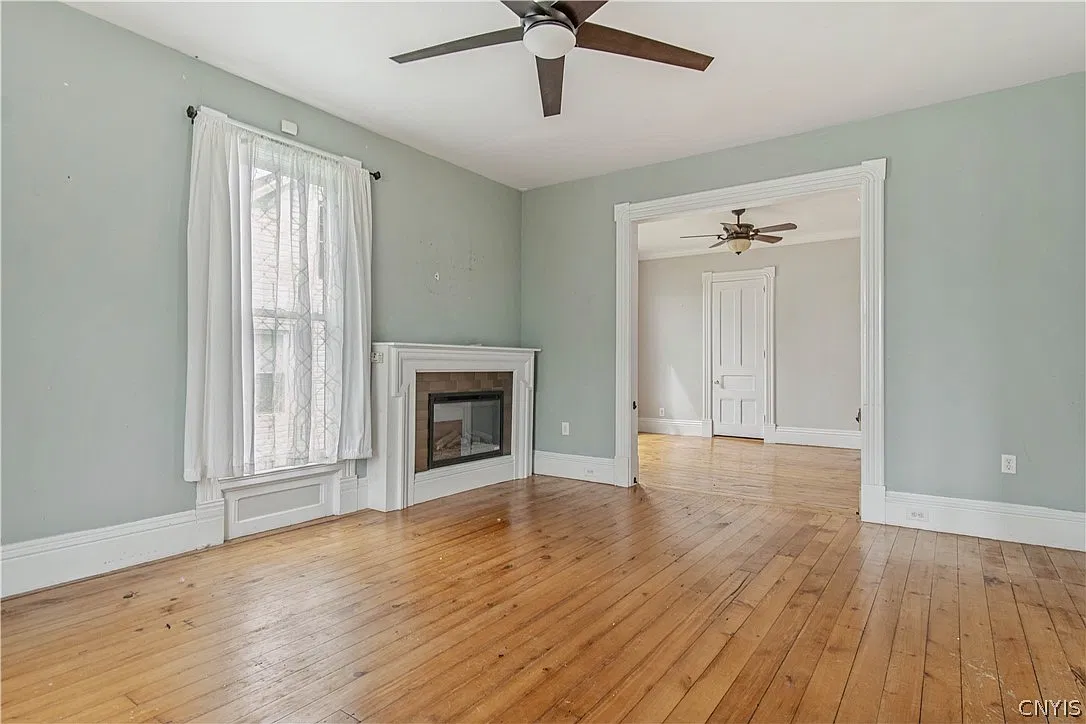
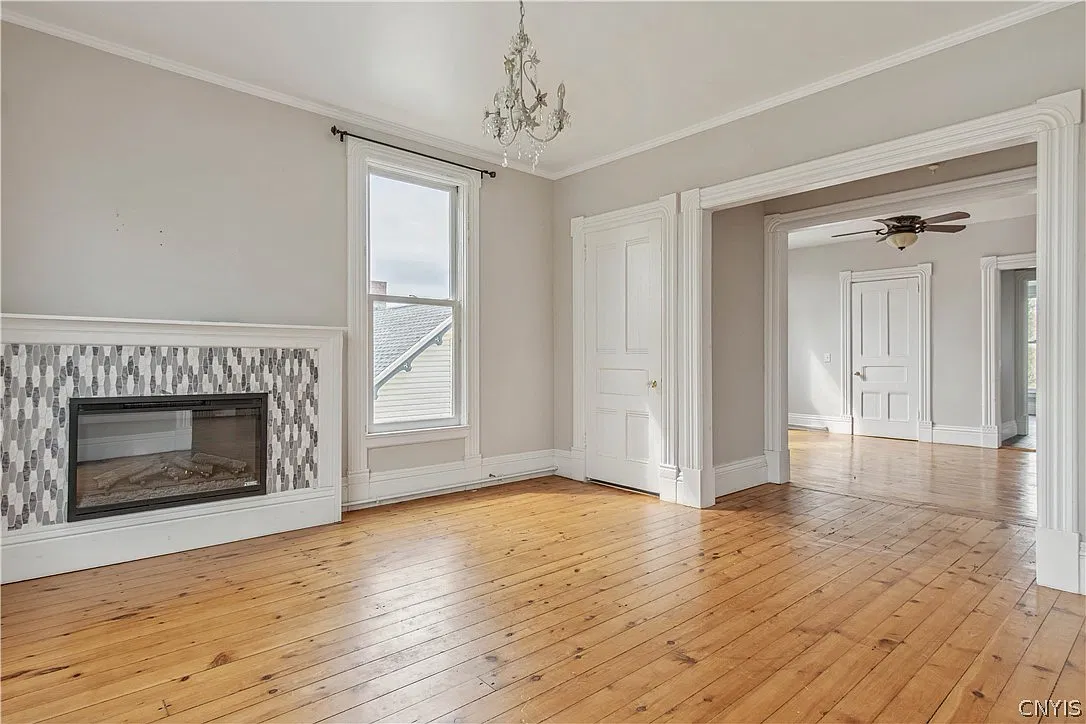
The marketing description highlights a generously sized living room and a den, giving readers a reason to think about more than a single gathering space. REMAX How you would use those rooms depends on your household, your furniture, and the actual layout, but the idea of having different places for different moods is appealing.
One room might become the comfortable center of the house, where visitors sit down and conversations take their time. Another could offer a quieter place to read, work, or retreat when the television is on elsewhere. These are imagined uses, and they should stay that way until the dimensions and room connections are understood. Yet they capture something many old-house lovers value: the freedom to let spaces have distinct identities. You do not necessarily need every room to perform every task. A chair near a lamp can have a purpose.
A table can remain ready for a puzzle. Books can occupy a corner because that is where you enjoy reading them. When planning an interior, it would be sensible to begin with movement—where people enter, where they walk, and where furniture could comfortably sit—before choosing colors or accessories. A room that works well will usually feel more welcoming than one arranged only for a photograph. The goal would be to create places you actually want to inhabit, day after day.
Hardwood Floors and Everyday Character
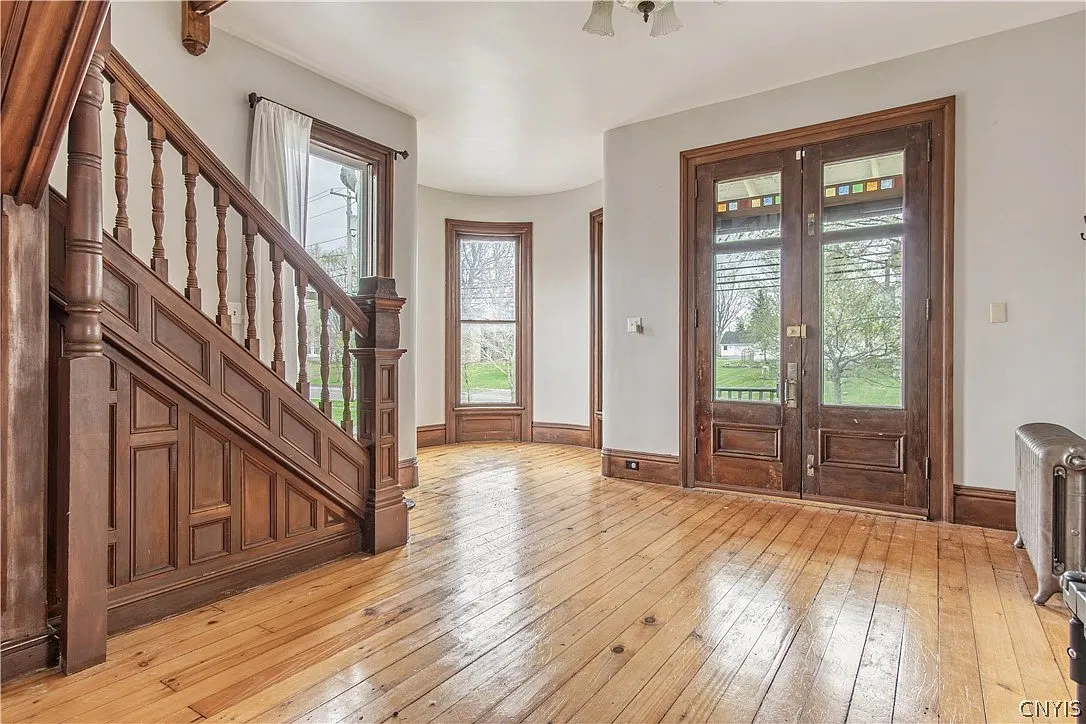
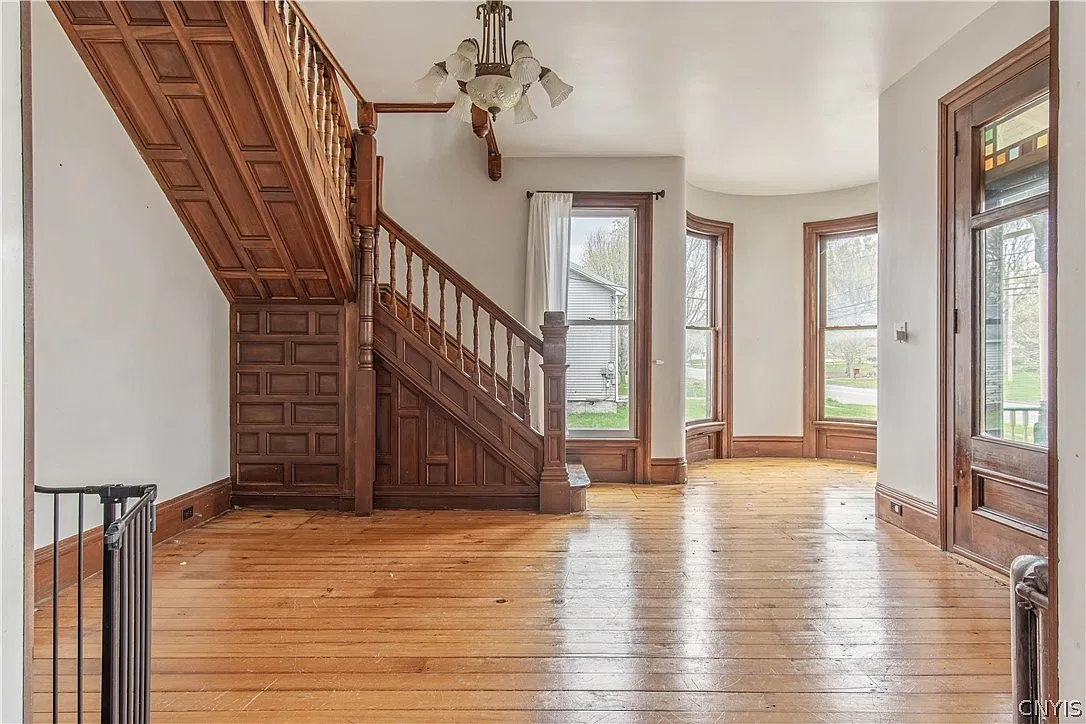
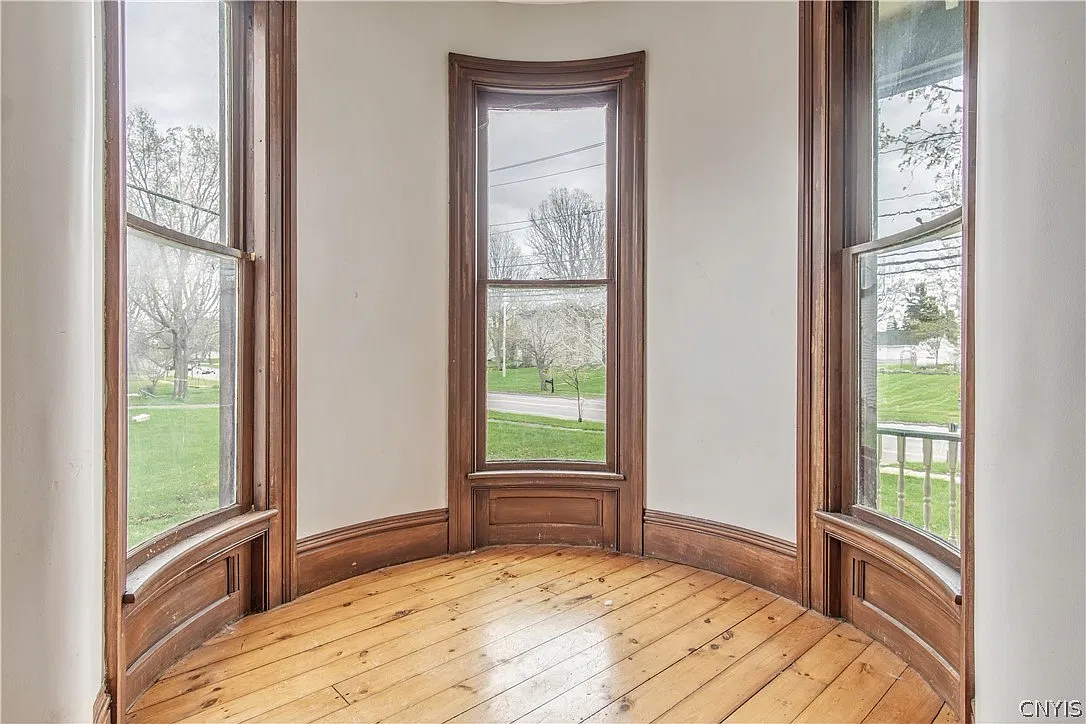
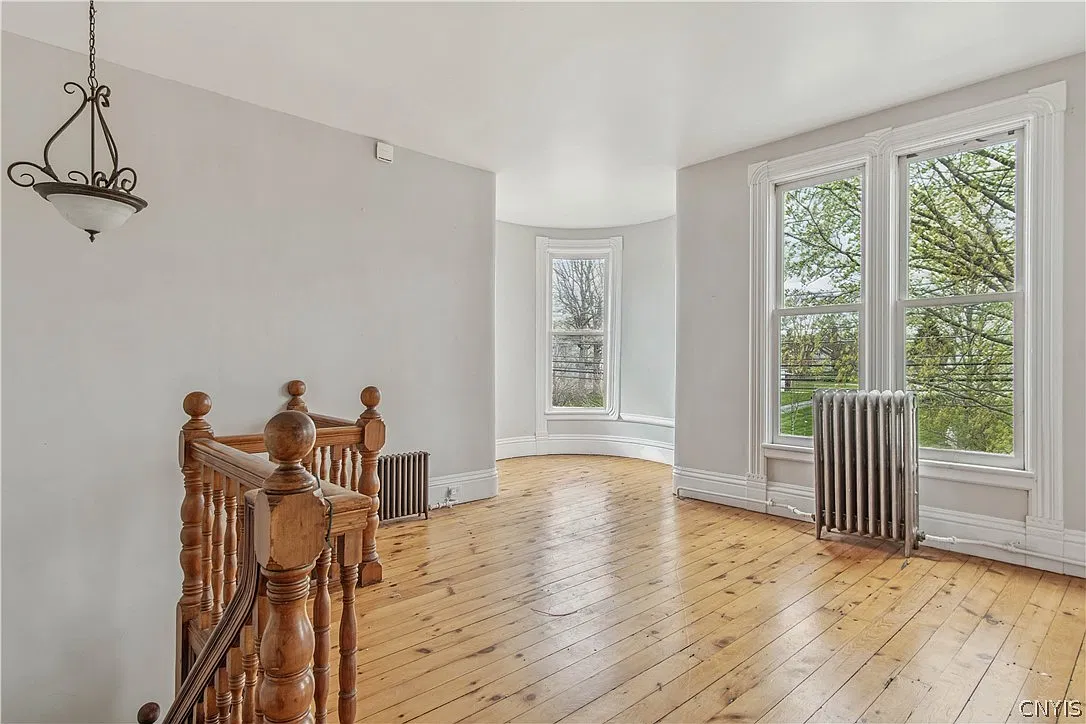
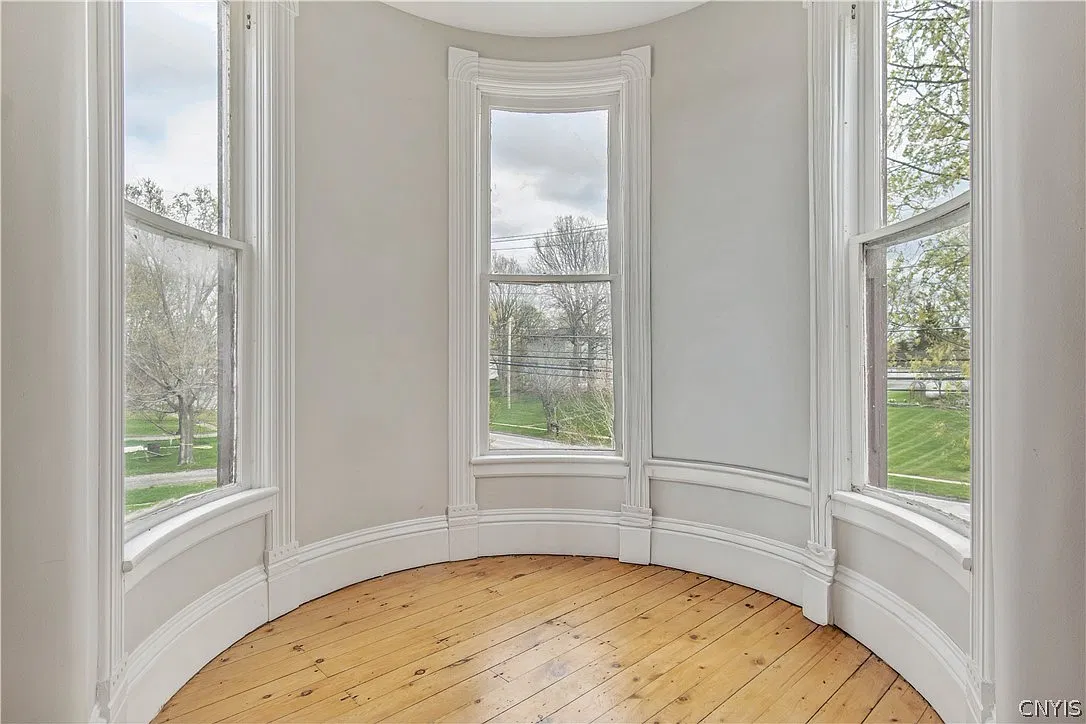
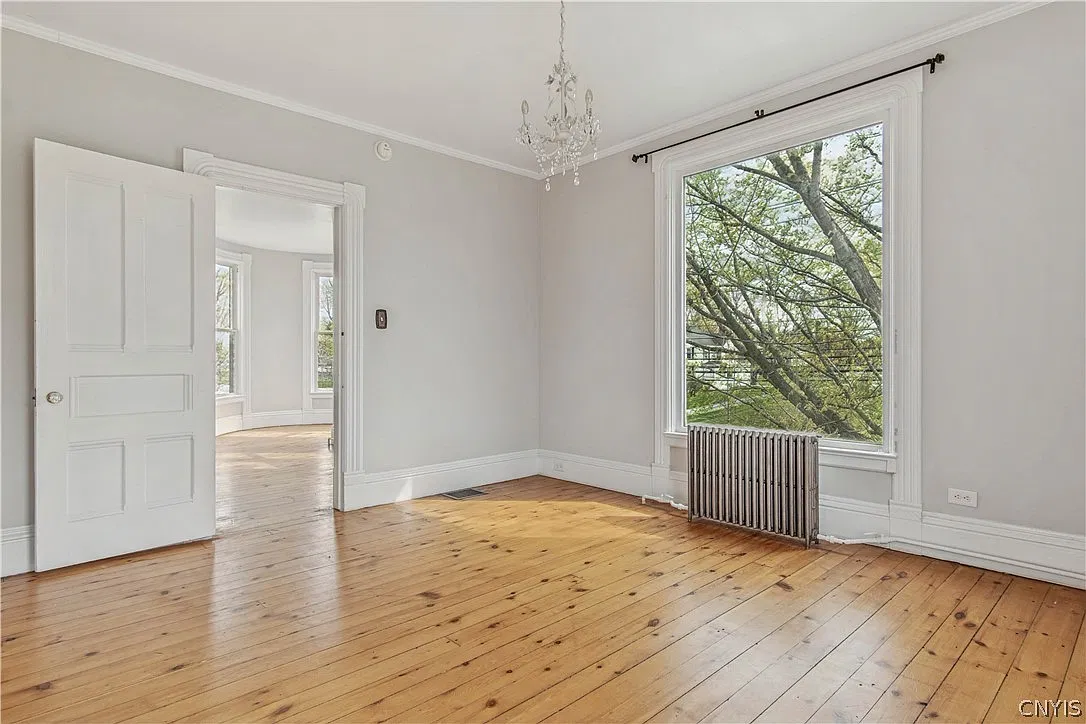
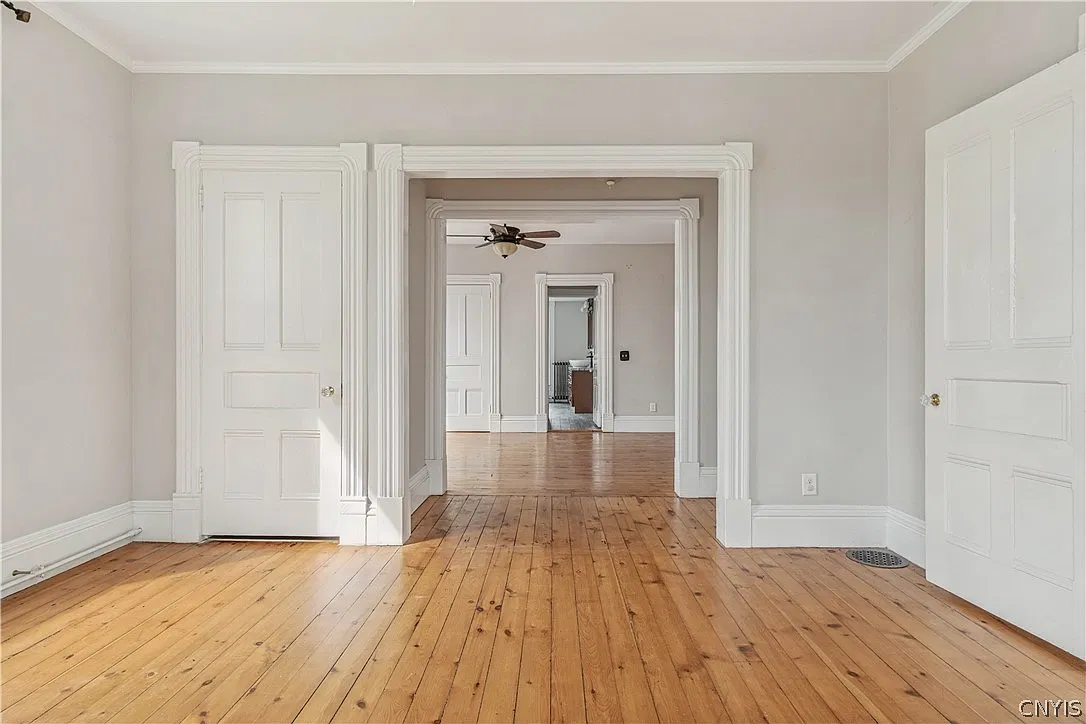
Hardwood flooring appears among the advertised features, although the available information does not establish its age, species, or originality. homes.com That leaves plenty to appreciate without making unsupported claims. Wood flooring can serve as a useful starting point for a room’s design because its color, grain, and finish influence everything placed around it.
If you were choosing furnishings for this house, you might begin by looking at those qualities in person and deciding whether your rugs, tables, and upholstery complement them. A softer rug could define a sitting area, while furniture with varied textures might help the room feel comfortable rather than overly coordinated. None of those choices requires turning the interior into a museum or forcing every object to look Victorian. The pleasure lies in finding a balance that feels right to you.
During a visit, the floor would also deserve practical attention: its visible condition, transitions between spaces, and any areas that seem different from their surroundings. Those observations would help you form questions for someone qualified to assess them. A listing feature is an introduction, and the details matter. For readers drawn to character-rich homes, that combination of visual warmth and everyday usefulness is often the reason wood floors receive so much attention. They help set the room’s tone while remaining part of the background of ordinary life.
A Den With Possibilities
A den can be one of the most interesting rooms to imagine because its purpose does not have to be fixed by its name. Here, the description identifies a den area without giving enough information to prescribe a particular arrangement. You could picture a reading room, a place for music, a modest workspace, or a comfortable room where someone can watch a film without taking over the main living area. The right choice would depend on daylight, available wall space, nearby rooms, and how sound travels through the house.
Before buying a desk or planning shelves, you would want to understand those basics. This is where decorating becomes pleasantly personal. One household might treasure a quiet corner for knitting or correspondence; another might prefer a room for board games, family photographs, and a favorite old radio. The room does not need a dramatic transformation to become meaningful.
Sometimes its best use emerges only after you have lived in a house and noticed where you naturally want to sit. That gradual approach can suit an older residence especially well, allowing the layout to guide decisions rather than making it conform to an advance shopping list. A flexible room is valuable because it can change with your routines. Its possibilities are strongest when they remain realistic, comfortable, and connected to the way you actually spend your time.
A Kitchen That Connects Past and Present
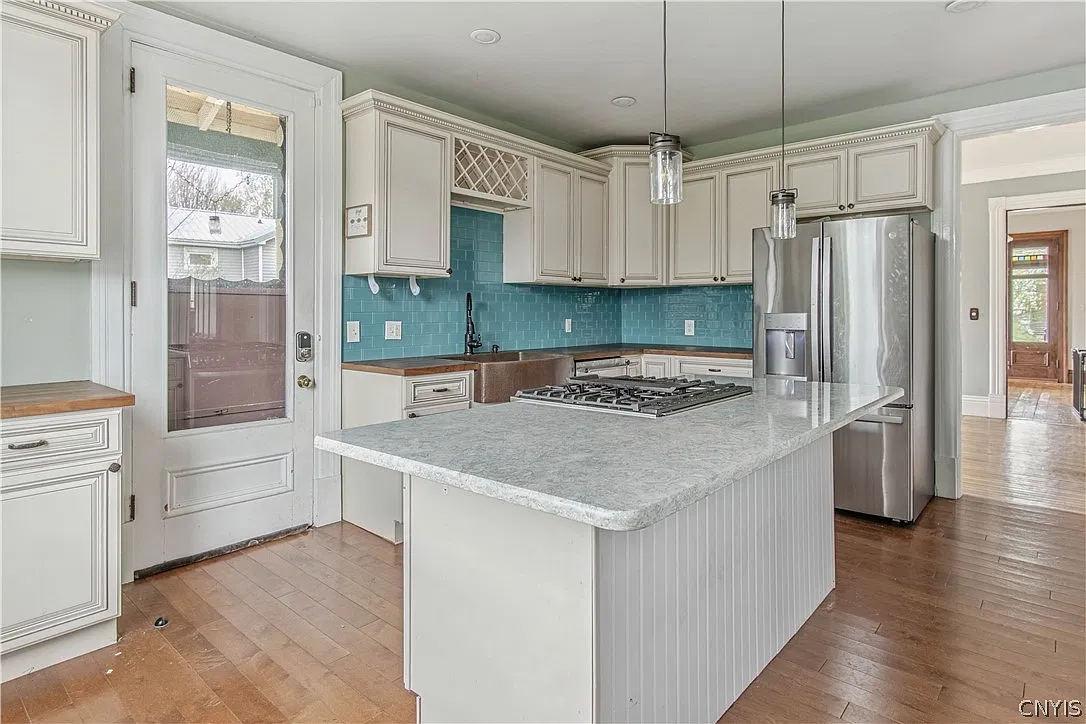
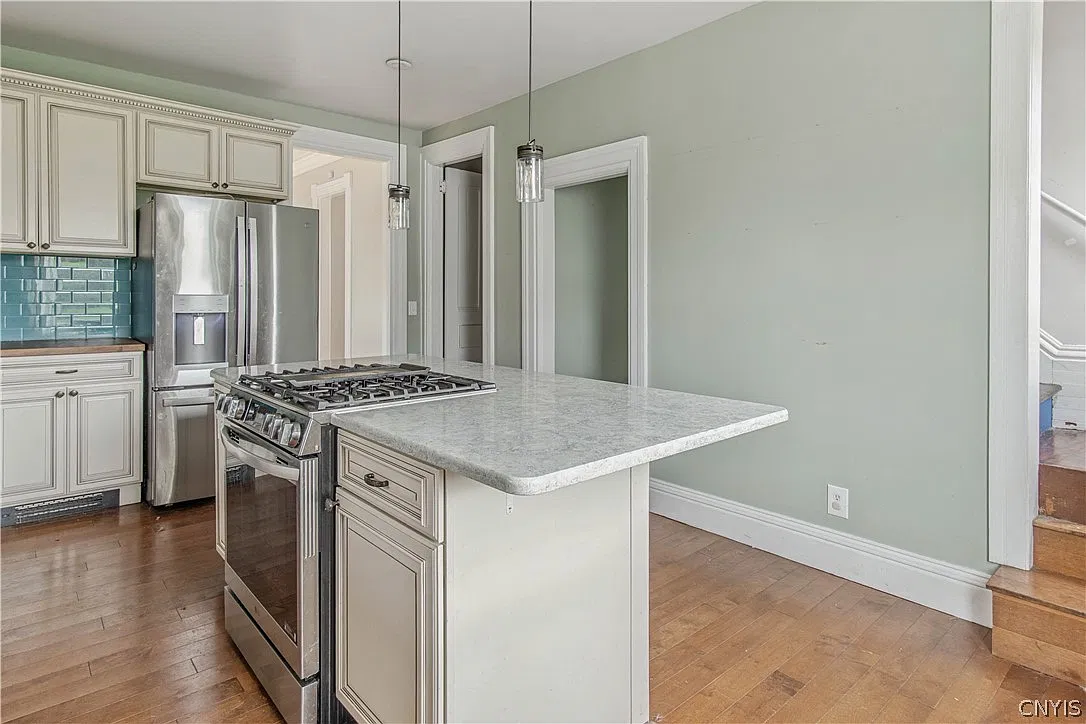
The listing describes a custom kitchen, and the published feature information includes a kitchen island and quartz countertops. Those details place the kitchen in the everyday-life side of the story: somewhere to prepare meals, put down groceries, and gather while dinner comes together. For someone who loves historic homes, a kitchen does not have to look untouched to belong comfortably within an older house.
What matters is how it works and how its materials, proportions, and finishes relate to the surrounding spaces. You might prefer simple accessories, useful cookware within reach, or a few familiar objects that make the room feel lived in. A bowl brought home from a trip or a well-used recipe book can contribute more personality than an elaborate decorating theme.
Still, the phrase “custom kitchen” cannot answer every practical question. You would want to see the work surfaces, understand the storage, and consider how comfortably more than one person could move through the room. Think about your own habits: do you cook every evening, bake on weekends, or host family gatherings where everyone gravitates toward the same spot? Those routines offer a better guide than any trend. The kitchen’s promise is the possibility of fitting modern daily life into the larger character of the home, with its success determined by firsthand experience.
Bedrooms, Bathrooms, and a Flexible Layout
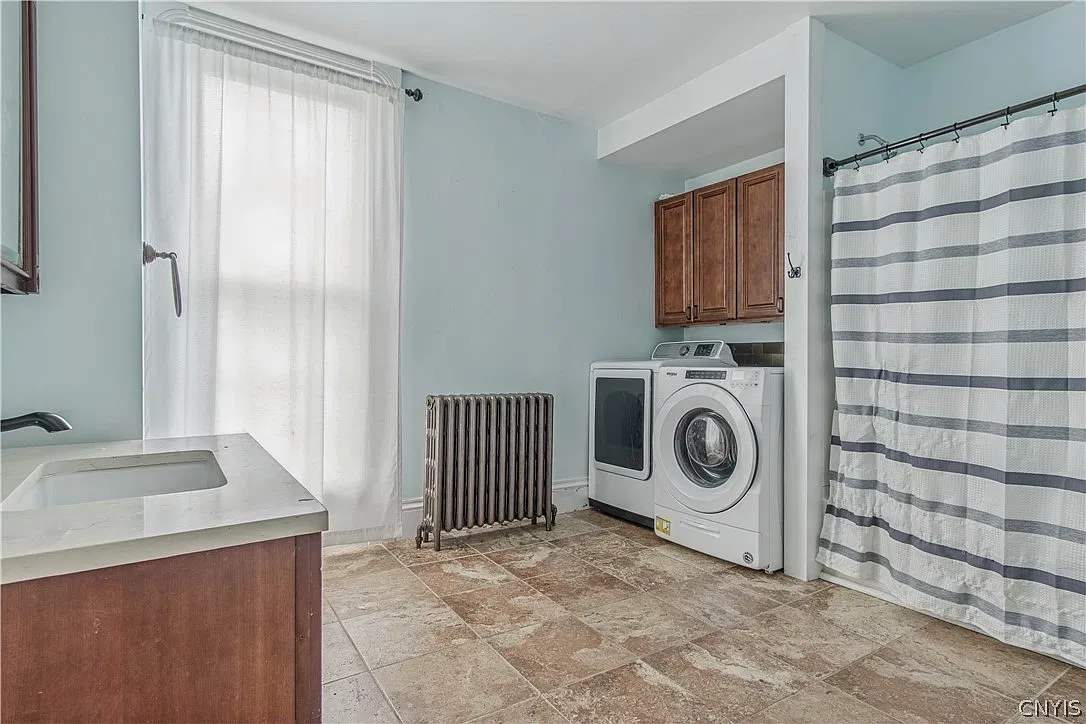
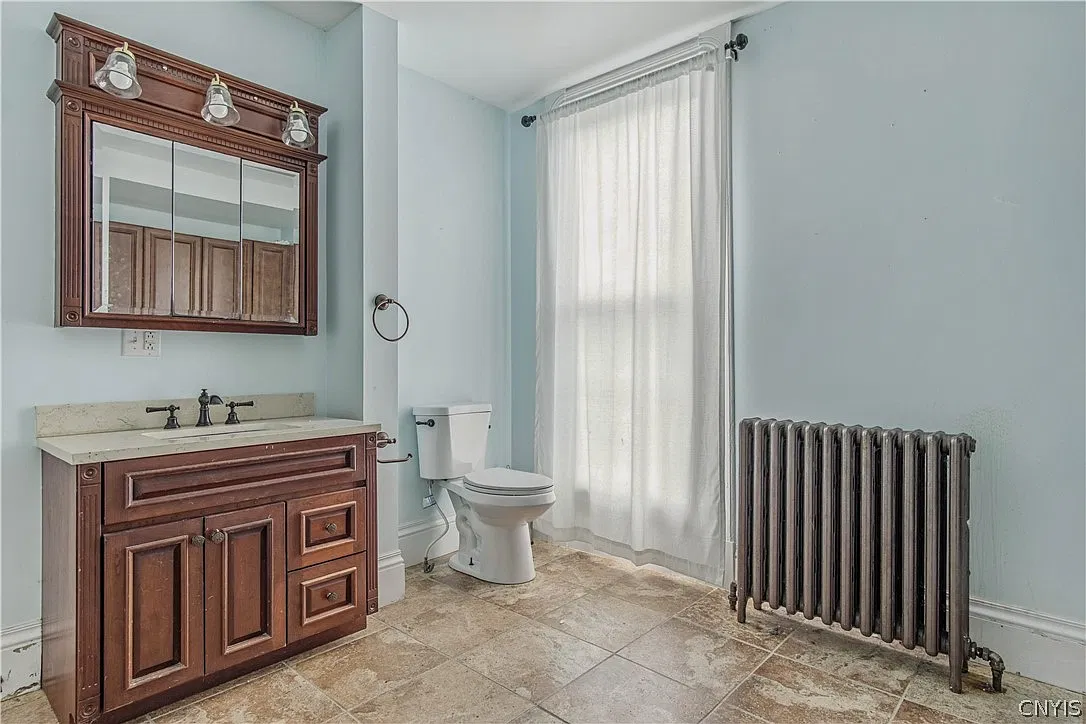
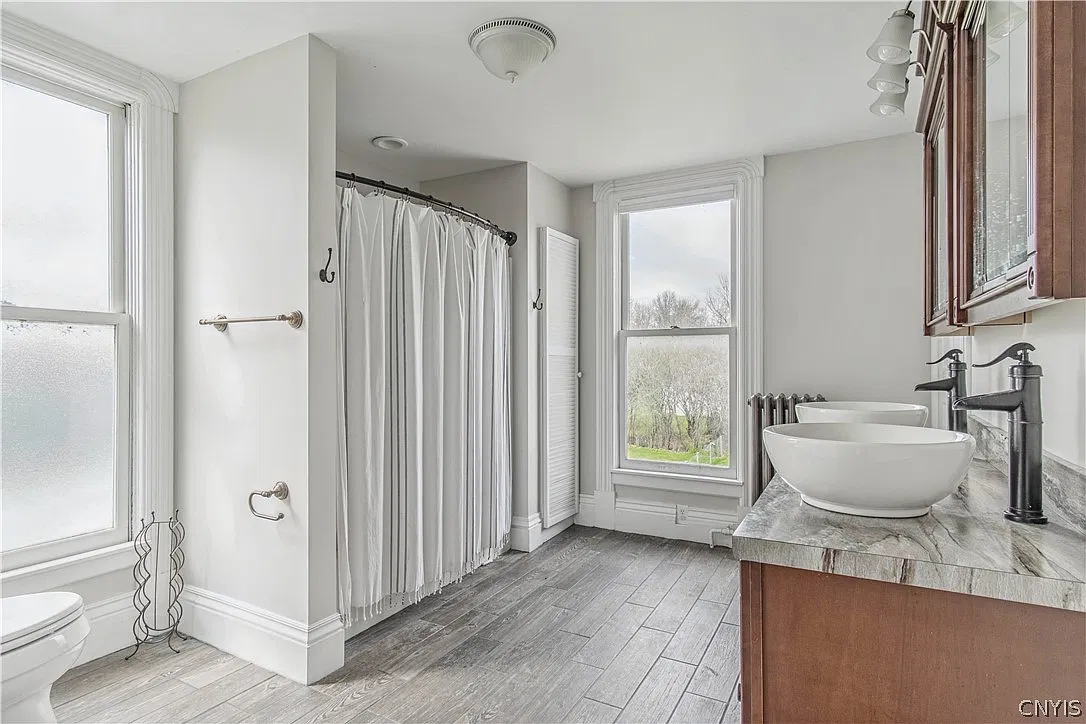
Bedrooms often seem straightforward in a property summary, but they deserve more thought than a number beside a bed icon. The listing reports two full bathrooms, while the bedroom information contains a distinction that needs closer attention.For a household considering an older home, the useful questions concern arrangement as much as quantity. Where would guests sleep? Would someone need a quiet workspace? How would different daily schedules interact with the location of bathrooms and shared rooms?
These questions cannot be resolved from the headline figures alone. A room may look spacious in a photograph yet accommodate furniture differently than expected, and a layout that suits one family beautifully may be less convenient for another. If you were walking through this house, it would help to imagine a normal morning rather than only a special occasion.
Picture people getting ready, carrying laundry, finding a private place for a phone call, or turning in at different times. That exercise brings the conversation back to comfort. It also avoids assuming that every advertised room should remain assigned to its current use. Subject to the property’s actual arrangement and any applicable requirements, your furniture and routines would determine which spaces feel most useful. An older house becomes a good fit when its layout supports the life you already lead.
Why the Bedroom Count Needs Clarification
One detail deserves a clear explanation: Zillow’s structured fields show four bedrooms, while the marketing description refers to a three/four-bedroom home. Zillow That difference should not be silently corrected or explained through guesswork. The available text does not establish why the two descriptions vary, so a prospective visitor would need clarification from the listing representative and the relevant property information.
For an editorial feature, the fairest approach is to show both versions and leave the unresolved point visible. Readers deserve to know where a listing is precise and where it leaves room for interpretation. This also provides a useful reminder about browsing property websites: a neatly formatted field can appear more definite than the surrounding description actually supports. When you see a discrepancy, pause and ask what information would settle it. A floor plan, room measurements, and an explanation of the advertised layout would make the bedroom count more meaningful.
If sleeping accommodation is important to your household, that clarification belongs early in your research, before you begin assigning bedrooms in your imagination. There is no need to assume a problem, and there is no reason to pretend the wording is perfectly consistent. Treating the difference as a question keeps the article accurate and gives readers a practical point to follow up on.

Outdoor Space Beyond the Front Door
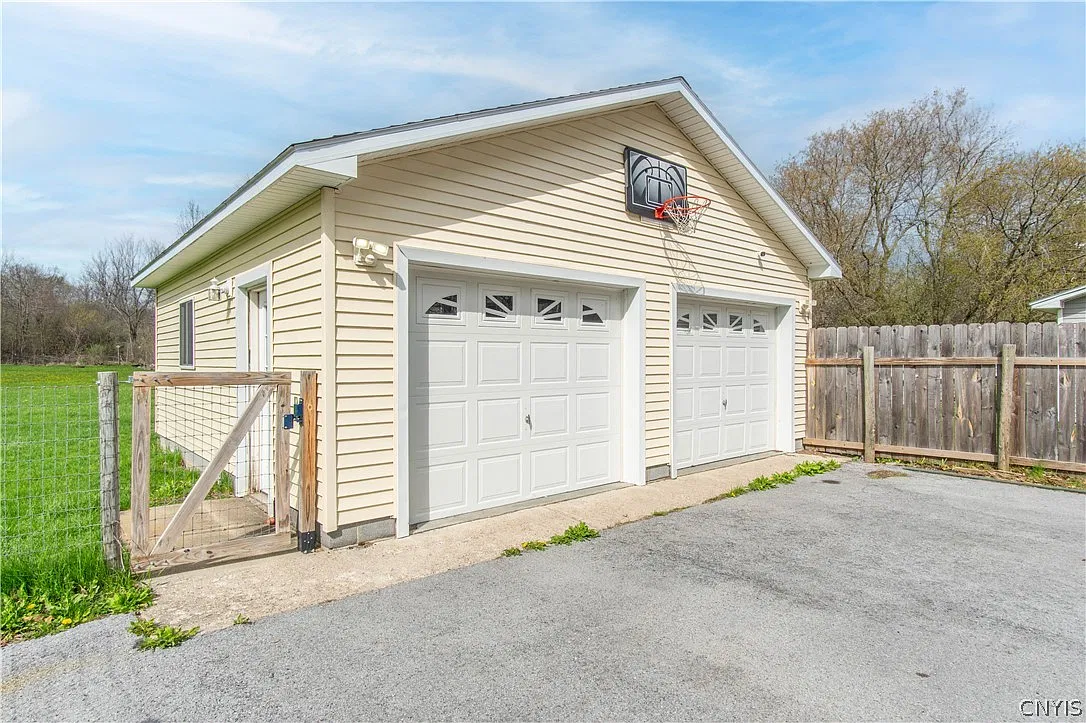
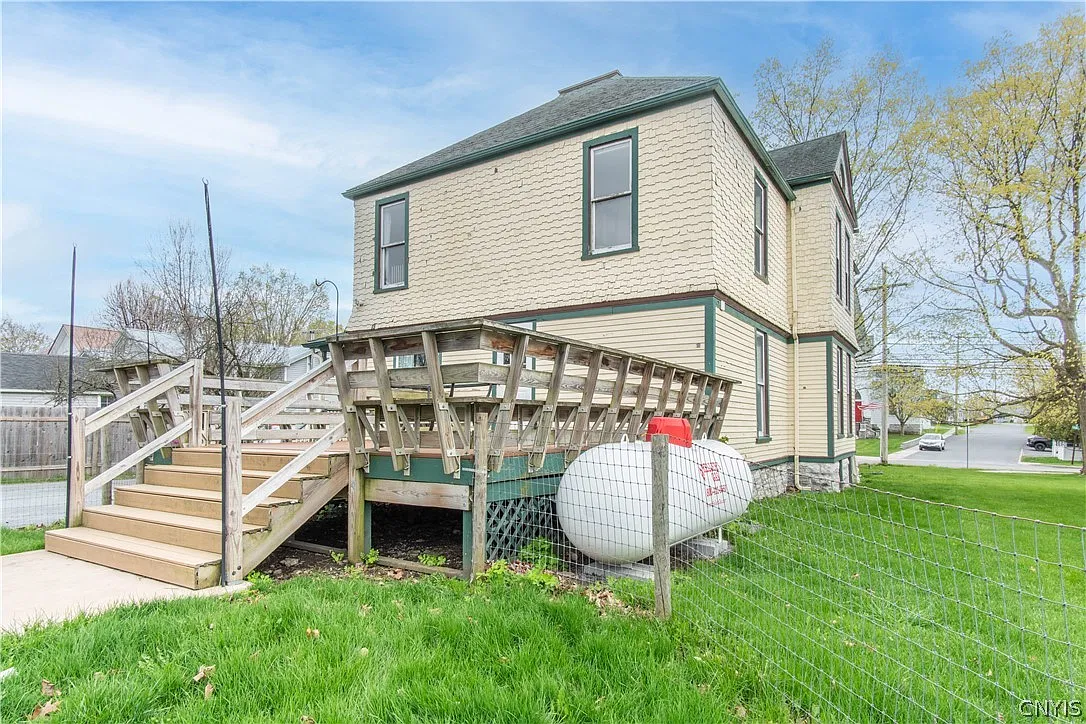
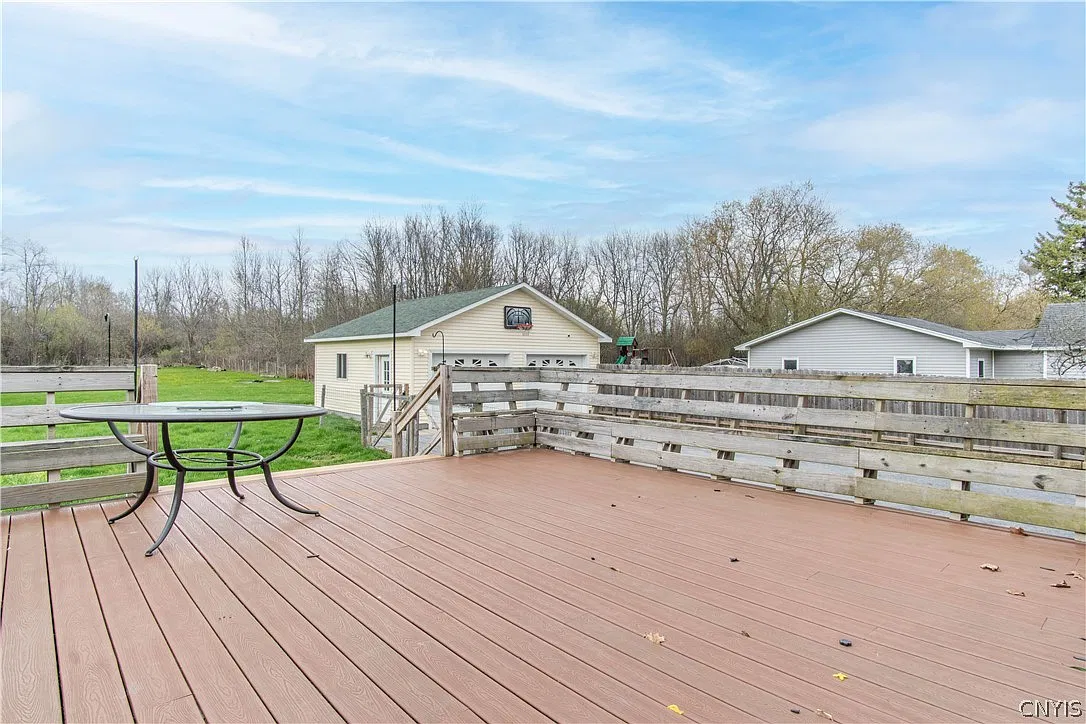
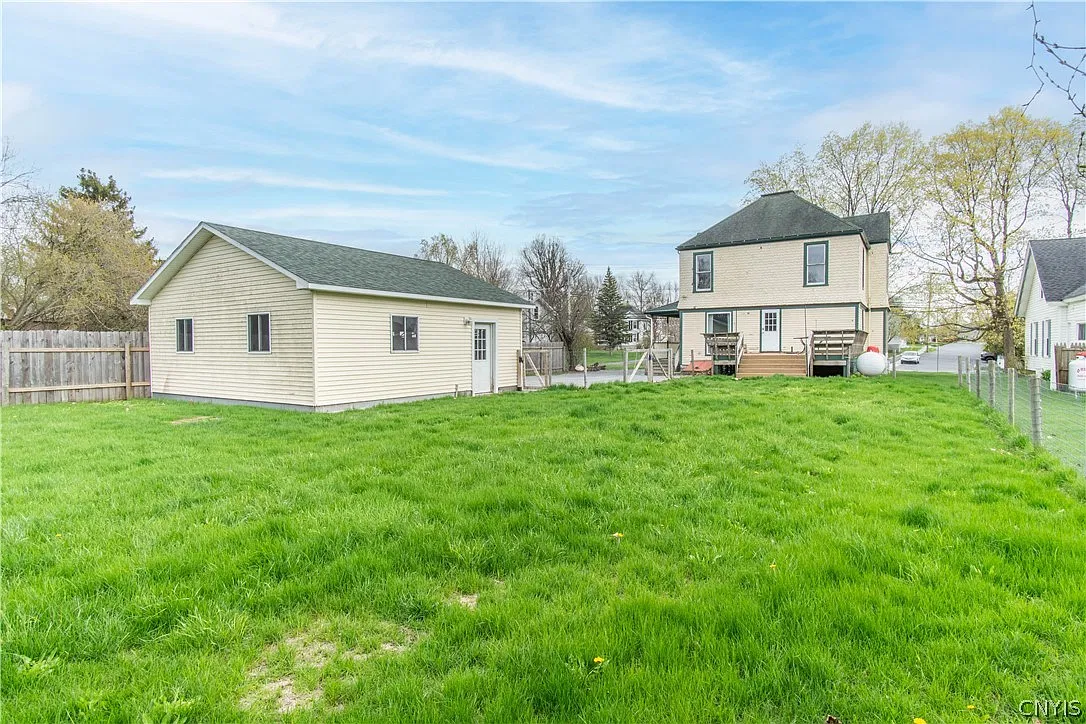
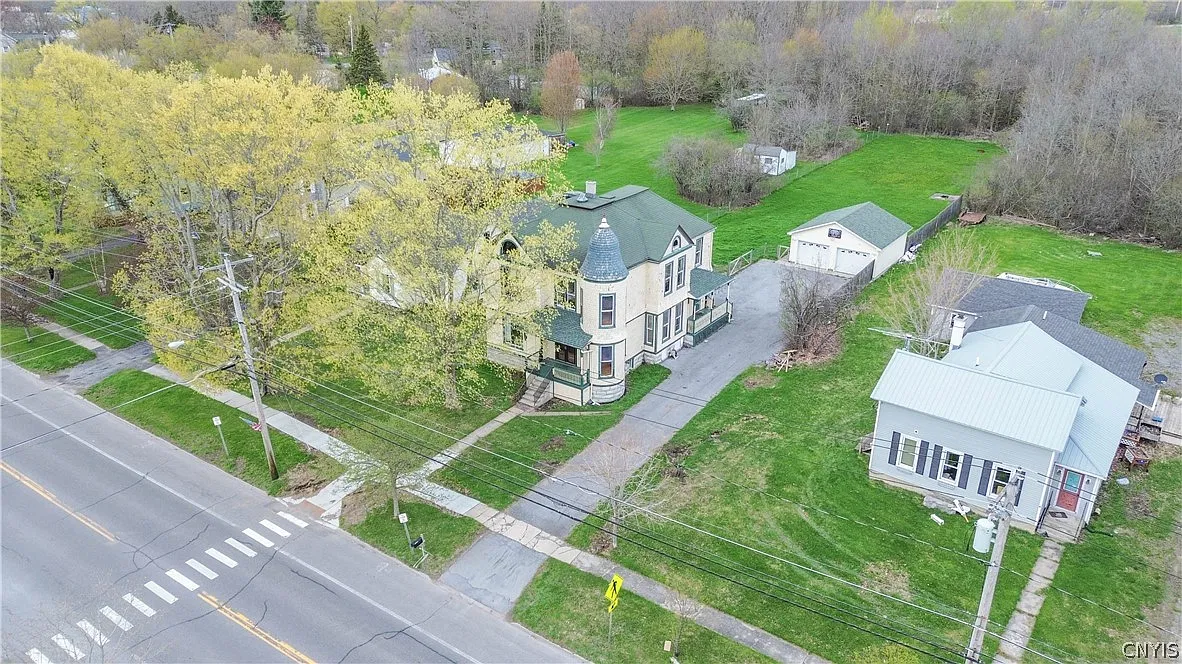
The description highlights a large rear deck and yard, while the published property features identify a detached two-space garage. REMAX Those elements widen the picture beyond the interior rooms, inviting thoughts of how outdoor space might become part of daily life. You could imagine bringing a cup of coffee outside, arranging a few comfortable chairs, or enjoying the simple pleasure of having somewhere to step away from a screen. These are possibilities rather than promises about privacy, views, or the condition of the deck.
A visit would reveal far more: where the sun falls, how the outdoor areas connect, and what existing surfaces and planting look like up close. The garage would deserve the same grounded attention. Its advertised capacity is useful information, but actual dimensions and condition would determine how well it suits a particular vehicle, storage need, or hobby.
Outdoor areas can be easy to romanticize because they suggest freedom, especially when you are browsing from a desk. The more useful exercise is to ask how much space you would enjoy maintaining and which activities you truly want room for. A garden, a place to sit, and room for practical storage can each matter differently to different people. Here, the attraction is the opportunity to consider a home’s interior and exterior together, as parts of the same everyday setting.
The Appeal of Chaumont’s Waterfront Setting
Chaumont provides a setting that deserves attention in its own right. The village’s official website places the community on Chaumont Bay, within the Town of Lyme in Jefferson County, and identifies fishing, boating, and a public beach among its recreational offerings. That local context helps explain why an older home here might appeal to someone who values life near the water. It does not establish waterfront ownership, a water view, or private access for this particular property.
Those distinctions matter because a village’s appeal and a parcel’s features are different subjects. You can enjoy the idea of living in a bay-side community while still asking exactly what the house itself offers. If you were exploring the area, it would be useful to spend time beyond the property: look at the surrounding streets, consider your regular journeys, and think about whether the setting matches the pace of life you want.
A place can be attractive during a visit yet function differently when work, shopping, and household routines become part of the picture. For an old-house lover, the strongest connection often comes when the building and its community feel equally inviting. The house provides the private setting; the village supplies the broader surroundings in which life unfolds. Both deserve firsthand attention before a romantic impression becomes a settled expectation.
What We Know—and What We Still Wonder
Every compelling old-house listing leaves a few questions behind, and this one includes an important inconsistency beyond the bedroom wording. The description mentions a fireplace, while Zillow’s structured features state that the property does not have one. Without an explanation, the article should not promise a working fireplace, describe fireside evenings as an existing benefit, or infer what kind of feature may be present. The appropriate response is simply to identify the conflict and ask for clarification.
Other questions concern information the available listing does not establish: a detailed renovation timeline, the provenance of individual finishes, or a documented account of the building’s earliest occupants. Those gaps do not prevent appreciation. They define where appreciation should become curiosity. If the house captures your imagination, you might ask which changes are documented, what records are available, and which features the owners can explain with confidence. There is real pleasure in learning these things carefully.
A home does not need a famous former owner or a dramatic rescue story to be worth caring about. Its significance to the next household could come from the rooms they enjoy, the routines they establish, and the maintenance they carry out over time. The best old-house stories make space for both affection and uncertainty, allowing the building to remain interesting without turning unanswered questions into invented facts.